What Makes an All-in-One C&I Energy Storage Cabinet Practical for Commercial Applications?
Release time: 2026-10-12
Table of Contents
Commercial and industrial facilities need energy storage solutions that can handle daily electricity demand, support solar power utilization, and fit existing site conditions. An all-in-one C&I energy storage cabinet brings battery storage, power conversion, energy management, and related protection equipment into a coordinated system. This integrated design helps simplify installation and gives businesses a practical way to manage stored electricity.

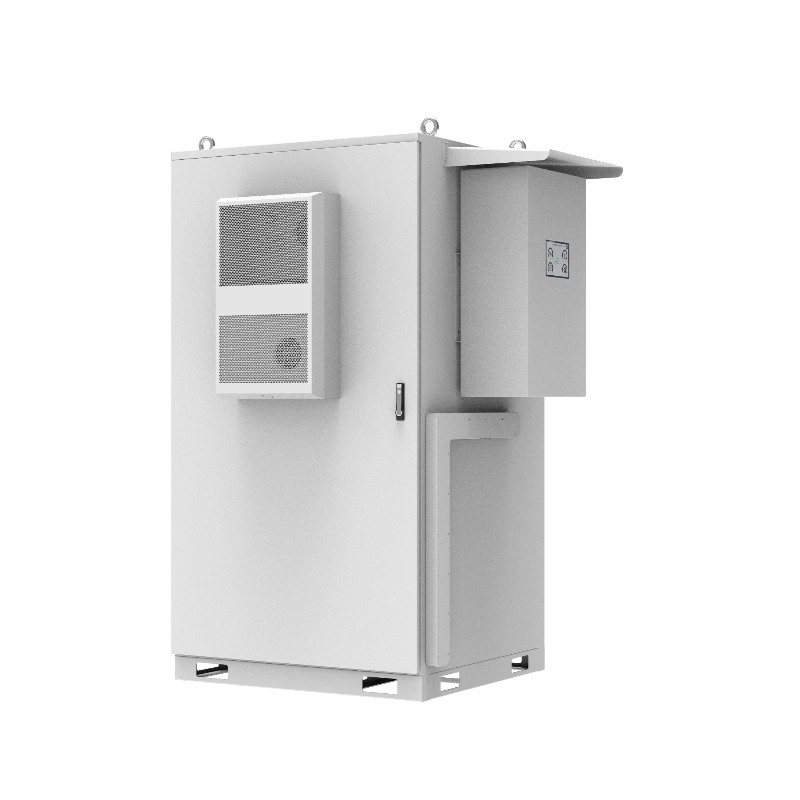
Enjoy Solar Co., Ltd., founded in 2013 and headquartered in Hefei, China, provides photovoltaic products and energy storage solutions. Its commercial and industrial energy storage range includes air-cooled and liquid-cooled outdoor cabinets for different power and energy requirements.
1. Integrated Design Reduces Installation Complexity
A key advantage of an all-in-one C&I energy storage cabinet is that major system components are housed within a unified enclosure. Depending on the model, these components include LiFePO4 battery modules, a Battery Management System (BMS), a Power Conversion System (PCS), an Energy Management System (EMS), and thermal management and fire protection equipment.
This integrated structure reduces the need to arrange each component as a separate unit. It can simplify equipment layout, electrical connections, and on-site deployment, particularly for commercial facilities with limited installation space.
The product range includes two outdoor cabinet designs with different cooling methods and configurations.
| Product | System Configuration | Cooling Method |
| Hi-112H | 112.56kWh system energy; 50/60kW rated output | Air cooling |
| Hi-241H | 241.2kWh system energy; 100/125kW rated output | Air cooling |
| OHL-A | 125kW rated output; 233kWh or 261kWh usable energy | Liquid cooling |
These configurations give project planners options when matching storage equipment to site requirements. The rated output power and usable energy should be considered together because they describe different aspects of system capability.
2. Air-Cooled Cabinets Offer Integrated Thermal Management
The EnjoySolar Hi-112H and Hi-241H models use LiFePO4 batteries and an industrial air-conditioning system to manage operating temperatures. Their integrated design combines battery modules, BMS, PCS, EMS, air conditioning, and multi-level fire protection in an outdoor-rated cabinet.
The Hi-112H provides 112.56kWh of system energy and 101.30kWh of usable energy, with a rated output of 50/60kW. Its cabinet measures 850 × 960 × 2,200mm.
The larger Hi-241H provides 241.2kWh of system energy and 217.08kWh of usable energy, with a rated output of 100/125kW. Its cabinet measures 1,450 × 1,035 × 2,200mm.
Both models feature an IP54 enclosure rating and support outdoor installation under suitable site conditions. The air-conditioning system actively manages battery temperature, while the cabinet design keeps the main equipment in one location.
For businesses evaluating an all-in-one C&I energy storage cabinet, this design can simplify equipment arrangement and routine inspection. Maintenance planning should still account for air filters, electrical connections, operating temperatures, and the manufacturer’s service requirements.
3. Liquid-Cooled Cabinets Combine Higher Output With Centralized Control
For projects requiring a different thermal management approach, the OHL-A liquid-cooled cabinet combines a 125kW power conversion system with a LiFePO4 battery system. The product page lists configurations with 233kWh and 261kWh of usable energy.
The system integrates battery storage, power conversion, energy management, electrical distribution, controls, and fire protection. Its liquid-cooling design and door-mounted cooling arrangement help manage internal temperatures while making more efficient use of cabinet space.
The product also features intelligent management functions. According to the product information, its BMS and monitoring platform support real-time leak detection, active cell balancing, and system alerts. Local touchscreen operation and cloud-based management provide additional ways to monitor and control the equipment.
The listed cabinet dimensions are 1,100 × 1,400 × 2,105mm, and its rated AC output voltage includes 220/380V and 230/400V configurations. The product page also specifies aerosol fire suppression.
These features make the liquid-cooled model worth evaluating for commercial sites that need integrated monitoring, centralized control, and a compact equipment arrangement. Buyers should confirm the final configuration, electrical compatibility, and protection specifications before ordering.
4. Energy Management Supports Practical Commercial Applications
An integrated C&I energy storage system can do more than store electricity. When paired with compatible power equipment and configured controls, it can support several operating strategies.
Peak shaving is one application. The cabinet can discharge stored energy during periods of high demand, potentially helping businesses manage demand charges where the local tariff structure supports this approach.
Solar-plus-storage integration is another application. Excess electricity generated by an on-site photovoltaic system can be stored for later use, helping businesses increase self-consumption and reduce reliance on grid electricity. The actual result depends on solar generation, load patterns, system efficiency, and control settings.
The product pages also identify backup power and EV fast-charger buffering as potential applications. For charging sites, stored energy may help supplement limited grid capacity during periods of high charging demand. Backup operation, meanwhile, depends on the system configuration and the required switching and electrical arrangements.
These functions make an integrated storage cabinet relevant to factories, commercial buildings, agricultural facilities, and other suitable sites. A project assessment should establish the expected operating profile before selecting the equipment.
5. Choosing Between Air Cooling and Liquid Cooling
Both cabinet designs integrate key storage components, but their cooling arrangements and specifications differ. The most suitable option depends on the project’s operating requirements rather than the cooling method alone.
Air-cooled cabinets may suit projects where an integrated air-conditioning system meets the site’s thermal management needs. Their maintenance planning includes checking airflow, filters, and air-conditioning performance.
Liquid-cooled cabinets use a liquid-based thermal management circuit. Buyers should consider cooling control, coolant circulation, service requirements, and the operating conditions expected at the installation site.
When comparing a commercial energy storage cabinet, businesses should also review usable energy, rated output power, dimensions, battery chemistry, enclosure protection, fire protection, and system compatibility. These factors help determine whether a particular model can meet the project’s electrical and installation requirements.
It is also important to distinguish rated system energy from usable energy. For example, the Hi-112H has 112.56kWh of system energy and 101.30kWh of usable energy. The usable figure is more directly relevant when estimating how much stored electricity is available for the intended application.
Conclusion
An integrated cabinet can simplify commercial energy storage by bringing battery modules, conversion equipment, monitoring, and protection functions into one coordinated enclosure. The Hi-112H and Hi-241H air-cooled models provide different energy and output configurations, while the OHL-A liquid-cooled cabinet offers a 125kW output with 233kWh or 261kWh of usable energy.
Enjoy Solar offers these cabinet options for commercial and industrial energy storage projects. By comparing the actual specifications, cooling requirements, control functions, and site conditions, businesses can identify a suitable solution for their energy management needs.
Frequently Asked Questions
1. What Is an All-in-One C&I Energy Storage Cabinet?
An all-in-one C&I energy storage cabinet integrates battery modules, power conversion equipment, energy management, and related protection systems into one enclosure. It helps simplify equipment layout and installation for commercial and industrial applications.
2. What Is the Difference Between Air-Cooled and Liquid-Cooled Energy Storage Cabinets?
Air-cooled cabinets use air conditioning for thermal management, while liquid-cooled cabinets use a liquid-based cooling system. The appropriate option depends on the system configuration, installation environment, and maintenance requirements.
3. What Energy Storage Cabinet Models Does Enjoy Solar Offer?
The product range includes the air-cooled Hi-112H and Hi-241H models, with system energy ratings of 112.56kWh and 241.2kWh, respectively. The OHL-A liquid-cooled cabinet offers 125kW rated output and 233kWh or 261kWh of usable energy.
4. Can a C&I Energy Storage System Work With Solar Panels?
Yes. When configured with compatible photovoltaic and power conversion equipment, a C&I energy storage system can store surplus solar electricity for later use. Actual performance depends on system compatibility, solar generation, and the facility’s electricity demand.