What Configuration Options Are Available for Residential Solar Energy Storage Systems?
Release time: 2026-10-21
Table of Contents
Residential solar storage systems can be configured in different ways to match household electricity demand, available installation space, local grid standards, and backup power requirements. Enjoy Solar Co., Ltd., founded in 2013 and headquartered in Hefei, China, provides photovoltaic products and integrated solar energy solutions, including residential systems with multiple inverter power and battery capacity options.


A residential solar energy storage system typically combines solar panels, a hybrid inverter, battery storage, electrical protection components, and a monitoring function. The specific configuration determines how much solar power the system can generate, how much energy it can store, and how effectively it can supply electricity when solar production is low.
1. System Power Options for Different Household Loads
System power is one of the first configuration choices. A smaller system may suit a household with moderate electricity consumption, while a higher-capacity system can support larger loads or more energy-intensive applications.
The available residential product range includes several power configurations:
| System Type | Available Power Options | Typical Configuration Focus |
| Single-phase home solar system | 5 kW, 6 kW, 8 kW, 10 kW, 12 kW | Everyday household electricity and backup power |
| Deye hybrid inverter solar system | 12 kW, 14 kW, 15 kW, 16 kW | Higher power demand and larger solar installations |
| EU/US 48V hybrid solar system | 6 kW, 8 kW, 10 kW, 12 kW | Residential installations with different regional voltage requirements |
These options allow a residential solar energy storage system to be matched to different household loads. The appropriate power rating depends on the appliances operating at the same time, the planned solar panel capacity, and whether the system needs to support high-power equipment.
2. Battery Capacity and Storage Options
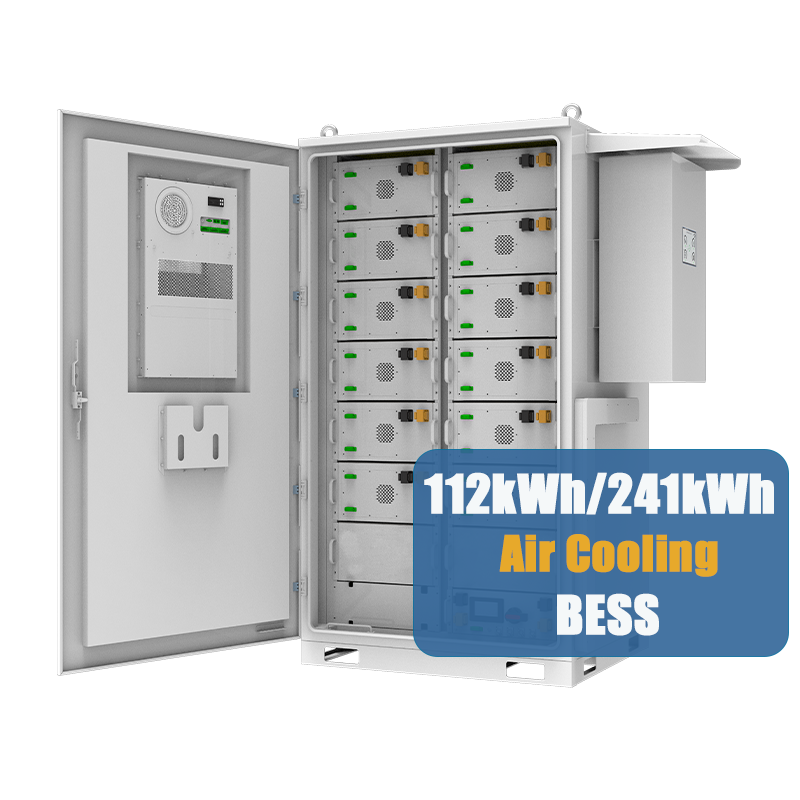
Battery capacity determines how much electricity can be stored for use after sunset or during a grid outage. Choosing the right capacity is important because a battery that is too small may not cover evening consumption, while an unnecessarily large battery can increase the initial investment.
The 5–12 kW single-phase home system offers battery capacity options of 5 kWh, 10 kWh, 16 kWh, 20 kWh, and 30 kWh. Its product configuration also lists lithium battery modules, including 10.24 kWh and 16 kWh options.
For higher-power installations, the 12–16 kW Deye hybrid inverter system lists 16 kWh and 32 kWh battery options. The EU/US 48V system is presented with a 16 kWh vertical lithium iron phosphate battery.
A home solar battery system should be sized according to daily electricity use, the expected duration of backup power, and the amount of surplus solar energy available for charging. Battery chemistry, usable capacity, and inverter compatibility should also be checked before finalizing the configuration.
3. Hybrid Inverter Options and System Compatibility
The inverter connects the solar panels, battery, household electrical loads, and grid. It converts the direct current generated by solar panels into usable alternating current and manages power flow between the system components.
The residential product range includes systems configured with Deye hybrid inverters, while the 5–12 kW home system also lists Deye, SNRE, AFORE, and Growatt as inverter options.
When specifying a hybrid solar inverter, buyers should consider its rated power, battery voltage compatibility, AC output requirements, and support for the intended operating mode. The 12–16 kW Deye system lists a low-voltage LiFePO4 battery input range of 40–60 V. This makes battery and inverter compatibility an important point to verify when selecting storage components.
An integrated system configuration can simplify component matching, but the inverter, battery, and electrical protection devices still need to be compatible with the intended installation.
4. Voltage and Regional Configuration Options
Residential electrical standards differ between markets, so AC voltage and phase configuration must be confirmed before purchasing a system.
The available product configurations include:
- EU single-phase options: 220 V or 230 V for the 5–12 kW home system.
- US split-phase options: 120 V/240 V for compatible residential configurations.
- Higher-power Deye system: 220 V single-phase is listed in the product overview, while its detailed configuration also specifies 230 V/400 V inverter output.
These specifications should not be treated as interchangeable. The correct output depends on local electrical standards, the household distribution panel, and the appliances that need to be powered. Buyers should confirm the exact voltage and phase configuration with the supplier before ordering.
5. Solar Panel Capacity and Installation Components
A complete residential system involves more than an inverter and battery. Solar panel quantity, the PV combiner box, cables, connectors, and mounting structure also affect system compatibility and installation.
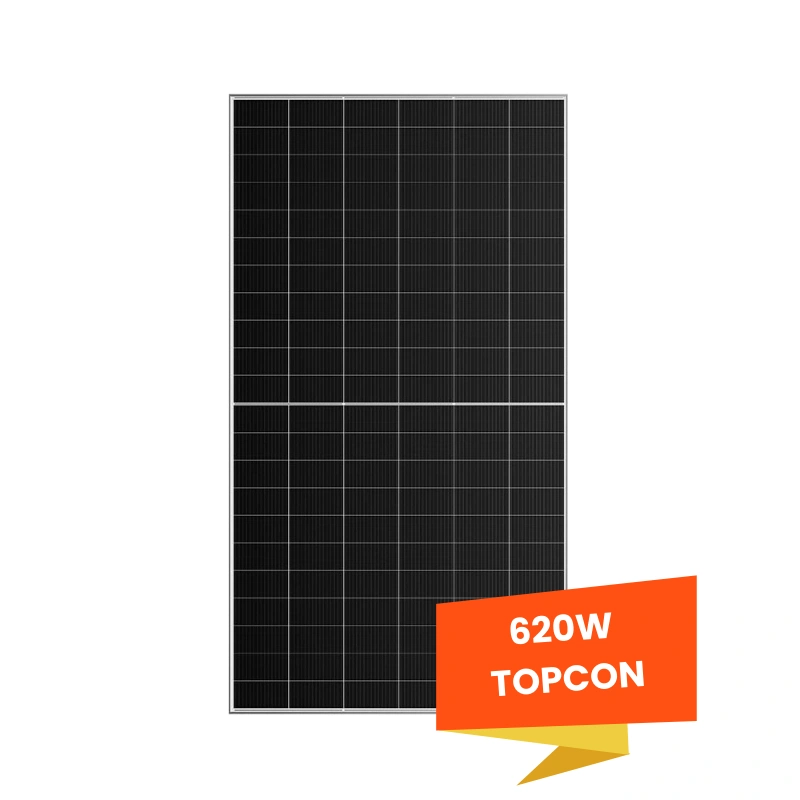
The 5–12 kW home system lists 620 Wp solar panels in configurations ranging from 9 panels for the 5 kW option to 20 panels for the 12 kW option. The higher-power Deye system lists configurations from 20 to 26 panels of the same nominal wattage across its 12–16 kW range.
These examples provide a starting point for system planning rather than a universal installation specification. The final panel arrangement should account for available roof area, orientation, shading, inverter input limits, and local installation conditions. Mounting structures can also be customized according to the project.
6. Remote Monitoring and Backup Operation
Monitoring functions help homeowners track system performance and understand how solar generation, battery charging, and household consumption interact. The listed residential configurations include Wi-Fi remote monitoring, allowing users to check system information through a compatible monitoring platform.
The 5–12 kW home system also highlights on-grid and off-grid switching, backup power, and flexible sizing. These functions can help households use more of their own solar electricity and maintain power to selected loads during a grid outage, provided the installed system supports the required backup operation.
Before purchasing, buyers should confirm which loads can be supplied during an outage, whether automatic transfer is supported, and how much usable battery energy remains available after accounting for system losses and reserve settings.
7. How to Match the Configuration to the Project
- A practical configuration starts with household electricity demand and then works through the major components.
- For moderate household consumption: Consider a 5–8 kW system with a battery sized around evening use and essential backup loads.
- For higher daily demand: A 10–12 kW configuration may be more suitable, depending on simultaneous appliance loads and available solar panel space.
- For larger installations: The 12–16 kW Deye hybrid system offers higher inverter power and larger listed battery configurations.
- For regional electrical requirements: Choose a compatible EU single-phase or US split-phase version and confirm the exact output specification before ordering.
These are general starting points, not fixed recommendations. A final design should be based on actual electricity bills, peak loads, backup expectations, local grid conditions, and the selected equipment’s technical limits.
Conclusion
The available residential systems offer flexibility in inverter power, battery capacity, regional voltage, solar panel quantity, and remote monitoring. These configuration choices determine how well the system fits a home’s electricity demand and backup requirements.
With experience in photovoltaic products, lithium battery production, and solar system integration, Enjoy Solar provides several residential system configurations for different project needs. By confirming power demand, battery capacity, inverter compatibility, and local electrical standards before purchase, buyers can specify a residential solar energy storage system that is practical for their installation and long-term use.