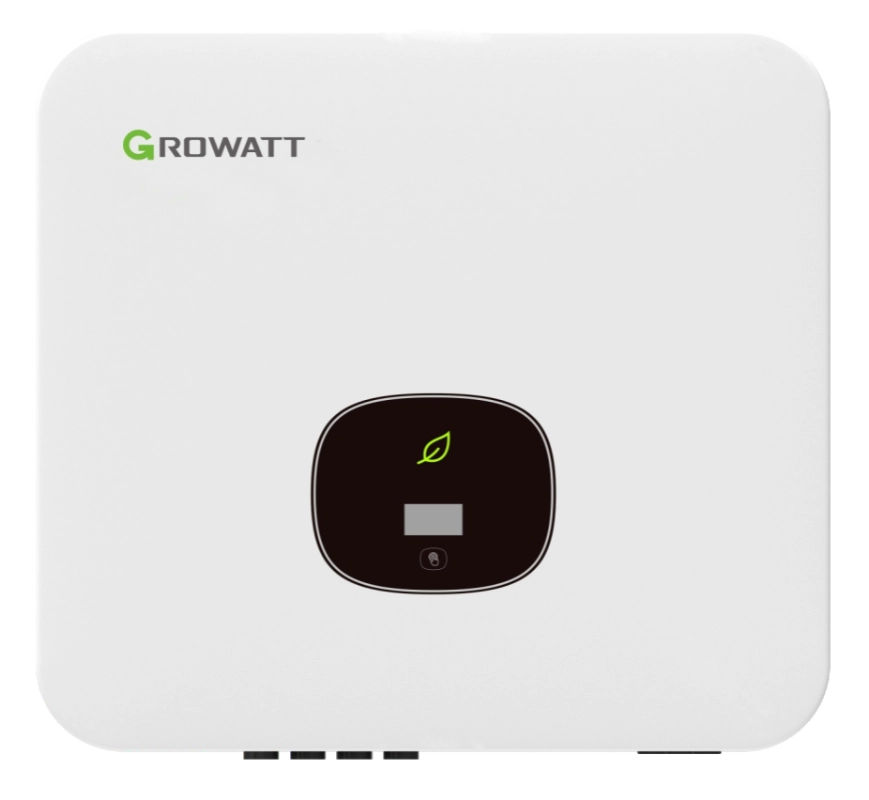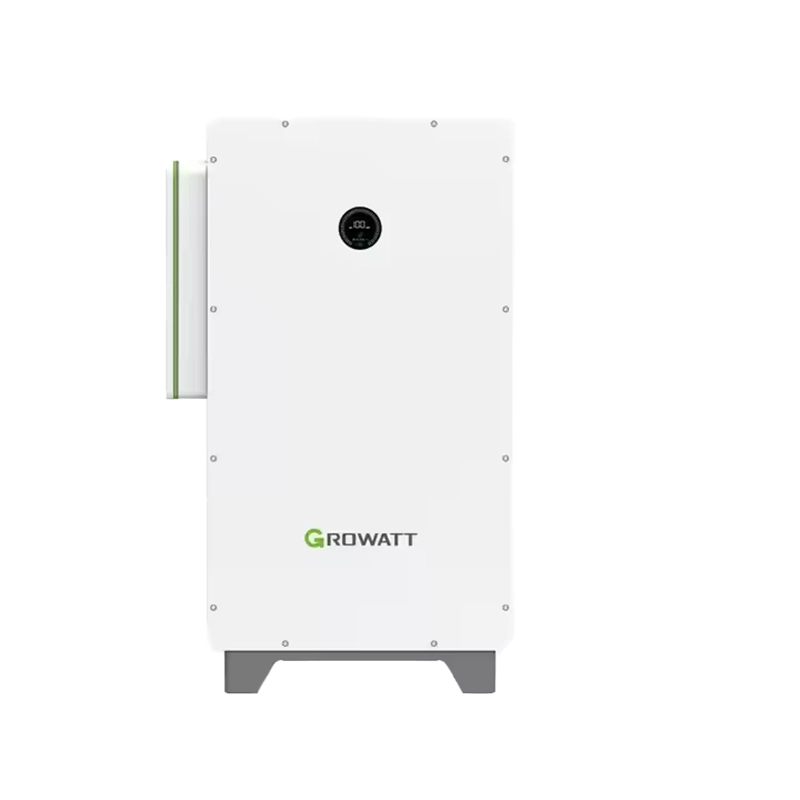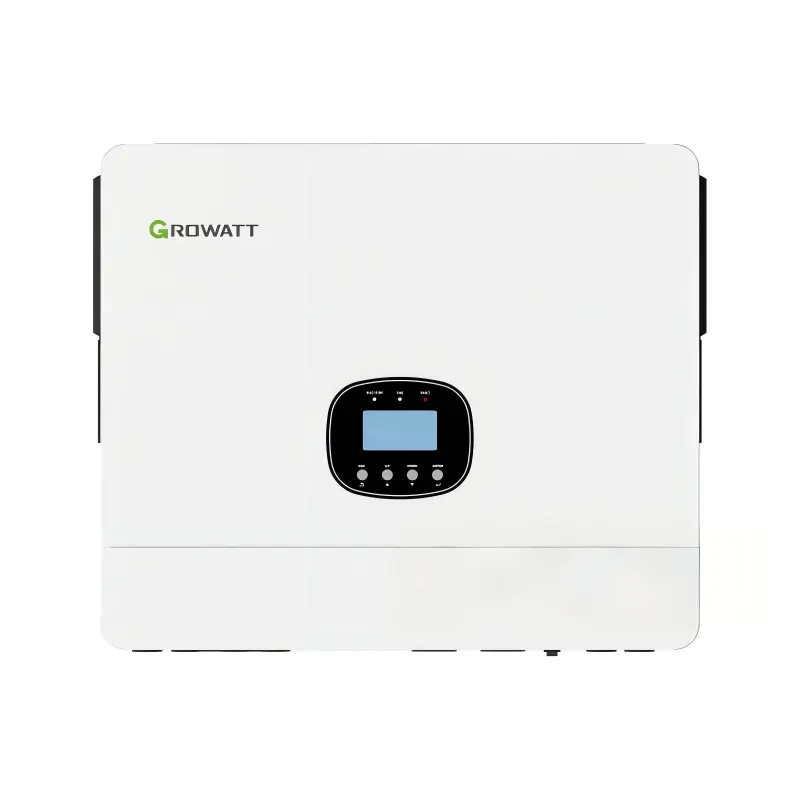
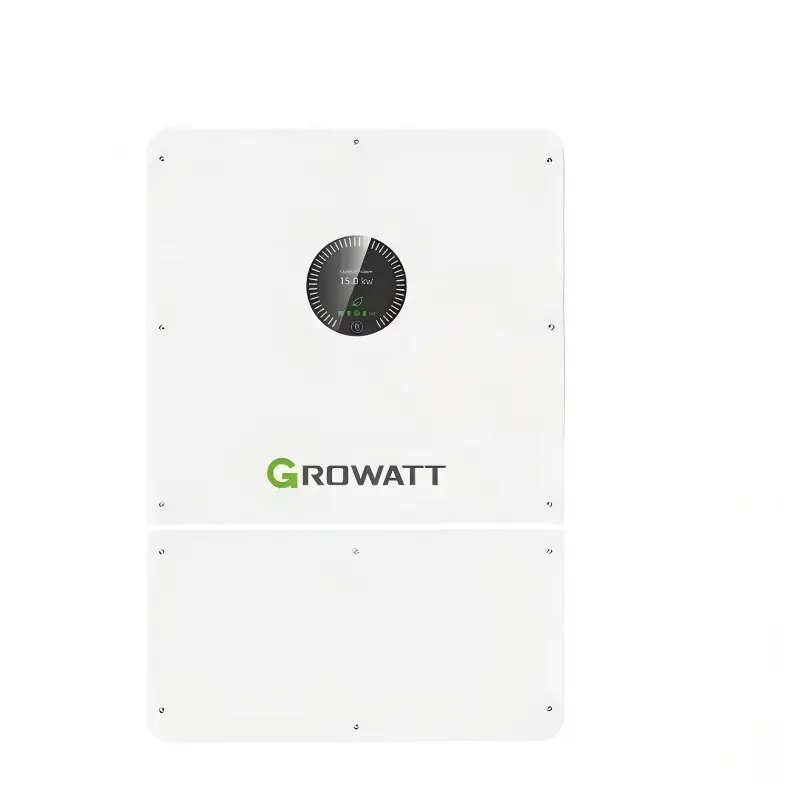
Enjoy hot sale this three-phase hybrid inverter is an ideal choice for residential PV energy storage applications. It supports safe 48V low-voltage battery systems. Its core features include dual MPPT tracking technology to maximize energy capture
Solar Inverter
Enjoy Solar 10KW 12KW 15KW 48Vdc Low Voltage Three Phase Hybrid Solar Power Inverter
Detailed description
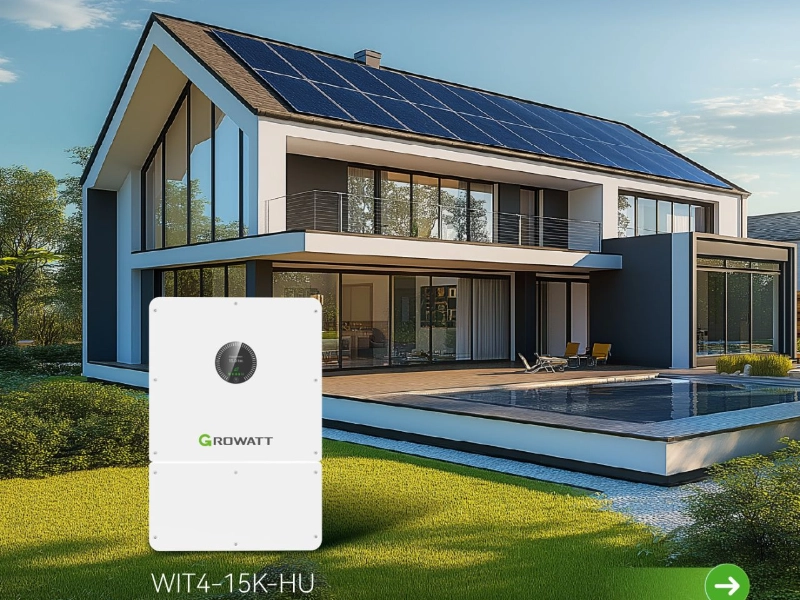
Advantage


- More powerful with 1.6 DC/AC ratio
- Maximum current per string up to 20A
- Maximum PV input voltage up to 1000VDC
- Compatible with multiple batteries
- Scalable up to 90kW application
- Support DC-coupled and AC-coupled system
- IP66 protection degree
- MODBUS TCP available
- Support AFCI and online monitoring
Basic Parameters
| Datasheet | WIT 8K-HU | WIT 10K-HU | WIT 12K-HU | WIT 15K-HU |
| Input data (PV) | ||||
| Max. recommended PV power (for module STC) | 12800W | 16000W | 19200W | 24000W |
| Max. input voltage | 1000V | |||
| Start voltage | 180V | |||
| Nominal voltage | 600V | |||
| MPPT voltage range | 150V-850V | |||
| Max. input current per MPP tracker | 20A | 40A | ||
| Max. short-circuit current per MPP tracker | 25A | 50A | ||
| No. of PV strings per MPP tracker | 1 | 2/1 | ||
| No. of MPP trackers | 2 | 2 | ||
| Battery data (DC) | ||||
| Battery type | Lead‐acid or Lithium‐ion | |||
| Battery voltage range/Rated voltage | 40‐60V/51.2V | |||
| Max charging and discharging current | 200A | 220A | 250A | 290A |
| BMS communication | RS485/CAN | |||
| Backup power (AC) | ||||
| Rated AC output power | 8000W | 10000W | 12000W | 15000W |
| Max. AC apparent power | 2 time of rated power, 10s | |||
| Rated AC output voltage | 220V/380V, 230V/400V | |||
| Nominal AC output frequency | 50/60Hz | |||
| Max. output current | 24.2A@220V | 30.3A@220V | 36.4A@220V | 45.5A@220V |
| 23.2A@230V | 29A@230V | 34.8A@230V | 43.4A@230V | |
| THDv | 3% (Linear load) | |||
| Load unbalance | 100% three-phase unbalanced | |||
| On/off grid transfer time | 10ms | |||
| Efficiency | ||||
| Max. efficiency | 97.60% | |||
| European efficiency | 97.00% | |||
| MPPT efficiency | 99.90% | |||
| Protection devices | ||||
| PV reverse polarity protection | Yes | |||
| DC switch | Yes | |||
| DC/AC surge protection | Type II/Type III | |||
| Insulation resistance monitoring | Yes | |||
| Residual-current monitoring unit | Yes | |||
| AC short-circuit protection | Yes | |||
| Ground fault monitoring | Yes | |||
| Grid monitoring | Yes | |||
| Strings monitoring | Yes | |||
| Anti-islanding protection | Yes | |||
| PID protection | Opt | |||
| AFCI function | Opt | |||
| General | ||||
| Dimensions (W / H / D) | 475/698/240mm | |||
| Weight | 43kg | |||
| Operating temperature range | –30°C … +60°C (> 45°C, derating) | |||
| Noise | ≤50dB(A) | |||
| Relative humidity | 0~100% | |||
| Altitude | 3000m | |||
| Topology | Transformerless | |||
| Cooling | Smart air cooling | |||
| IP degree | IP66 | |||
| Display | OLED/LED+APP | |||
| Interfaces꞉ RS485/USB | Yes | |||
| Interfaces꞉ WIFI/LAN | Yes | |||
| Warranty (5/10 years) | Yes/Opt | |||
| IEC62109, EC 61000, IEC 61727, EC 62116, IEC 61683, IEC 60068, EN 50549, VDE 4105 | ||||
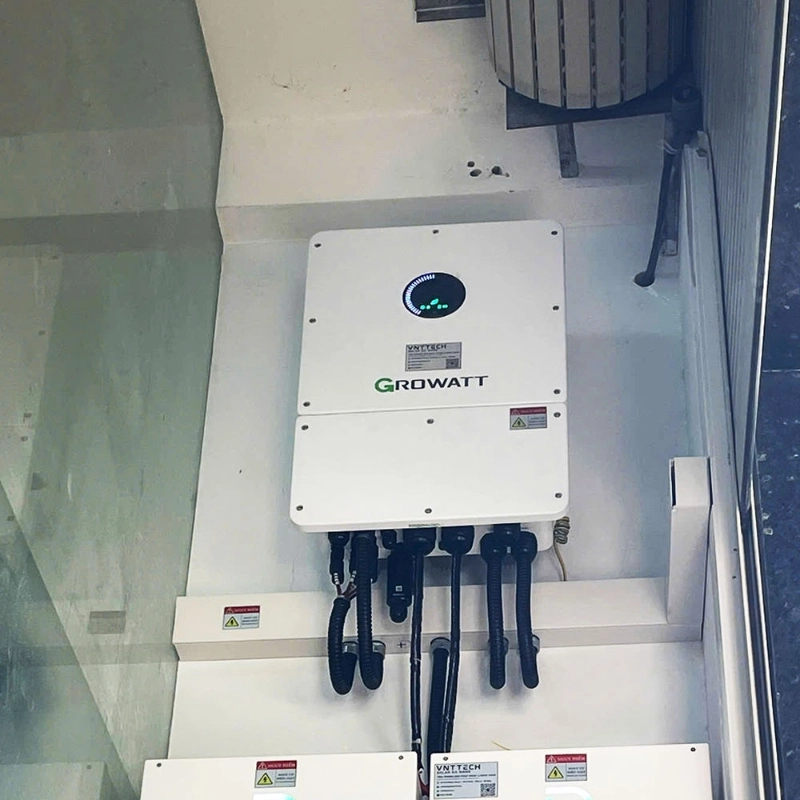
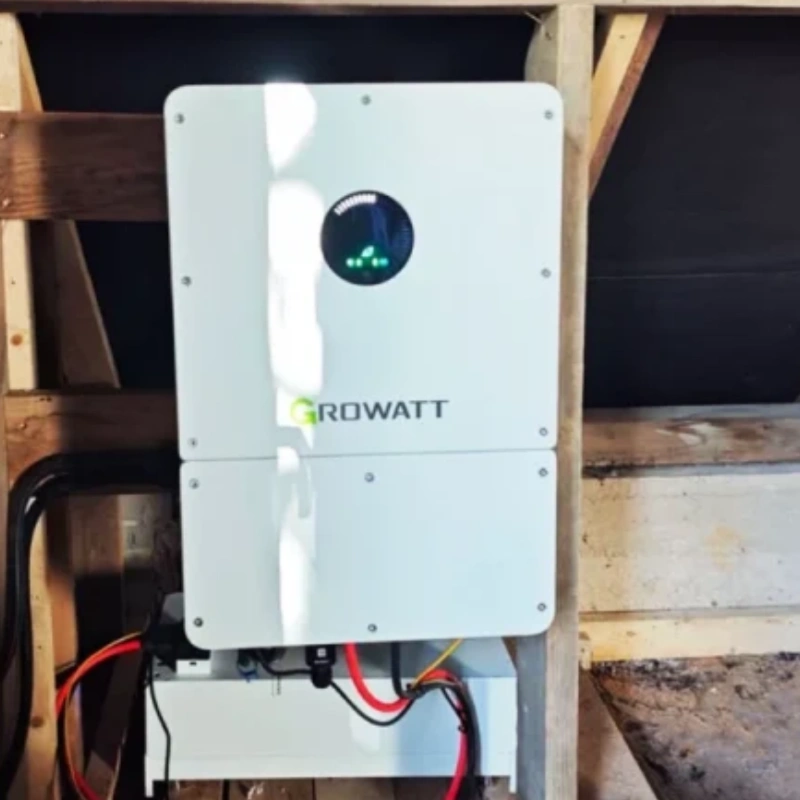
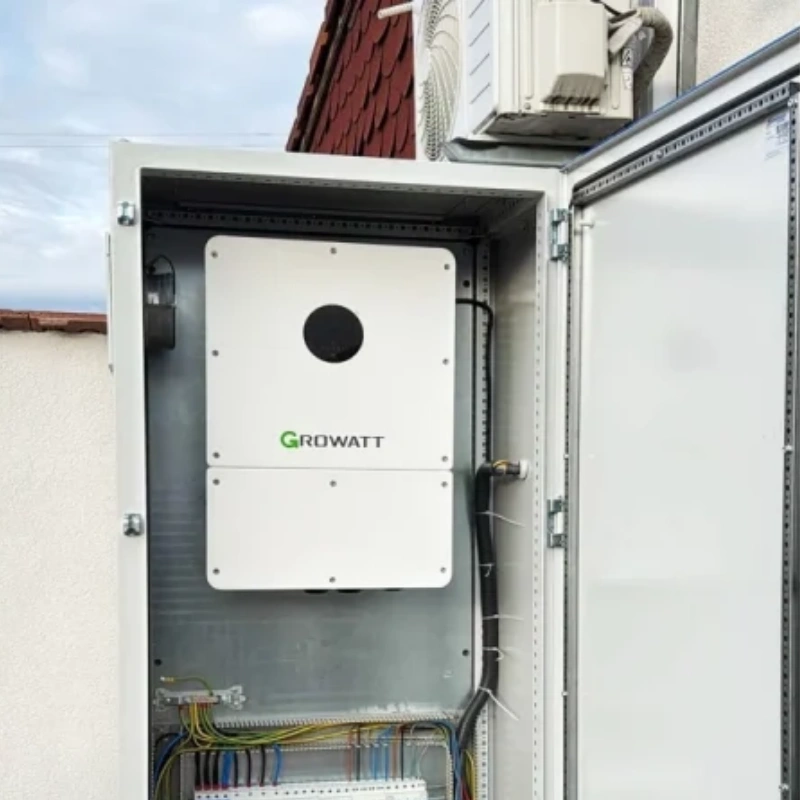
Projects
Package and Shipping
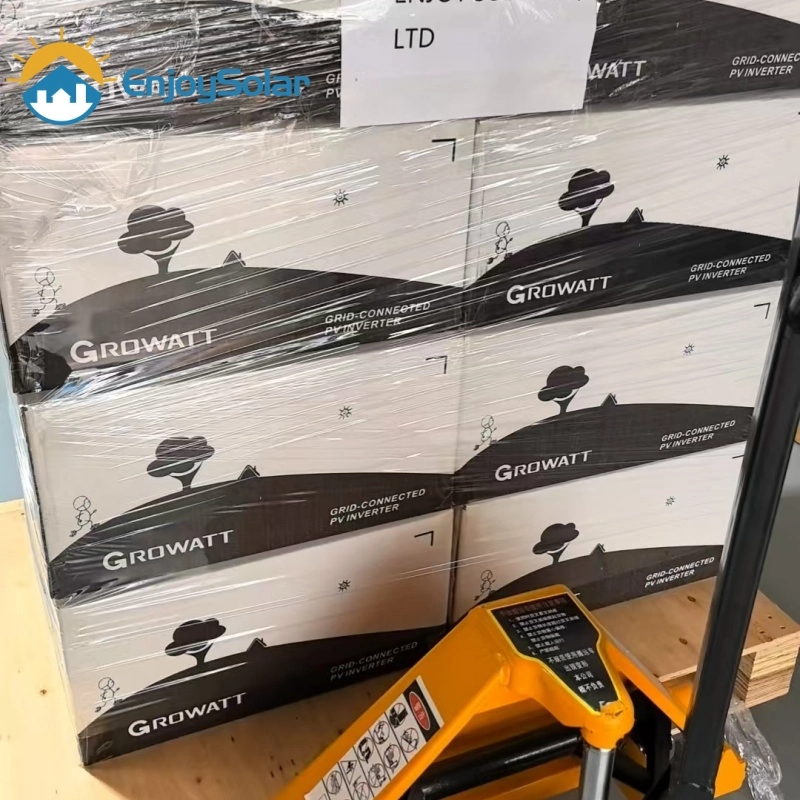
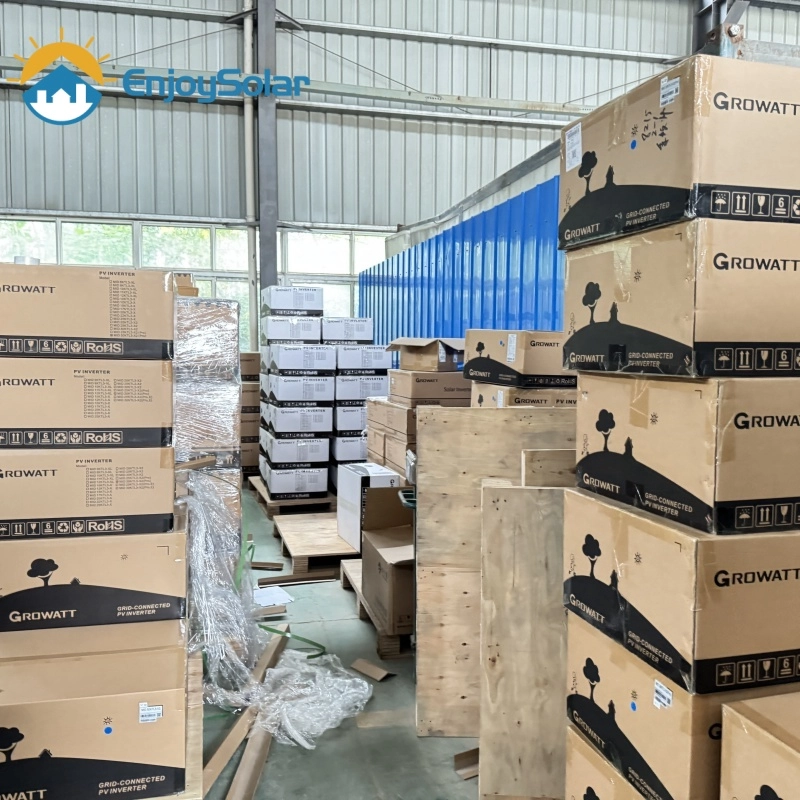
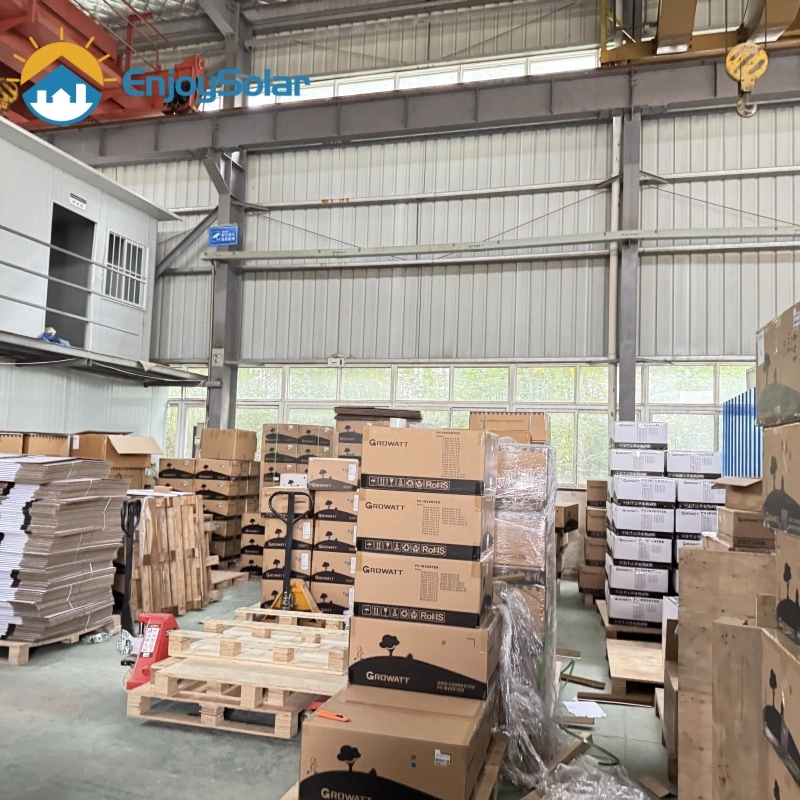
Application Scenarios:
-

Factory
-

Business Districts
-

Farm, Residential House
-

Hospital
FAQ:
-
Can the hybrid inverter work during a power outage?
Yes. When connected to batteries, the hybrid inverter can automatically switch to backup mode and supply power to essential household loads during a grid outage. -
Does the hybrid inverter support charging batteries from utility power?
Yes. The inverter can charge batteries from the grid, making it suitable for time-of-use electricity pricing and ensuring backup energy is available when needed. -
Is remote monitoring available for the hybrid inverter system?
Yes. Users can monitor solar generation, battery status, load consumption, and grid interaction in real time through a mobile app or web portal. -
Which battery technologies are supported?
Most hybrid inverters are compatible with lithium-ion batteries and lead-acid batteries. Communication protocols such as CAN and RS485 are supported for seamless integration with major battery brands.